

October 21, 2026
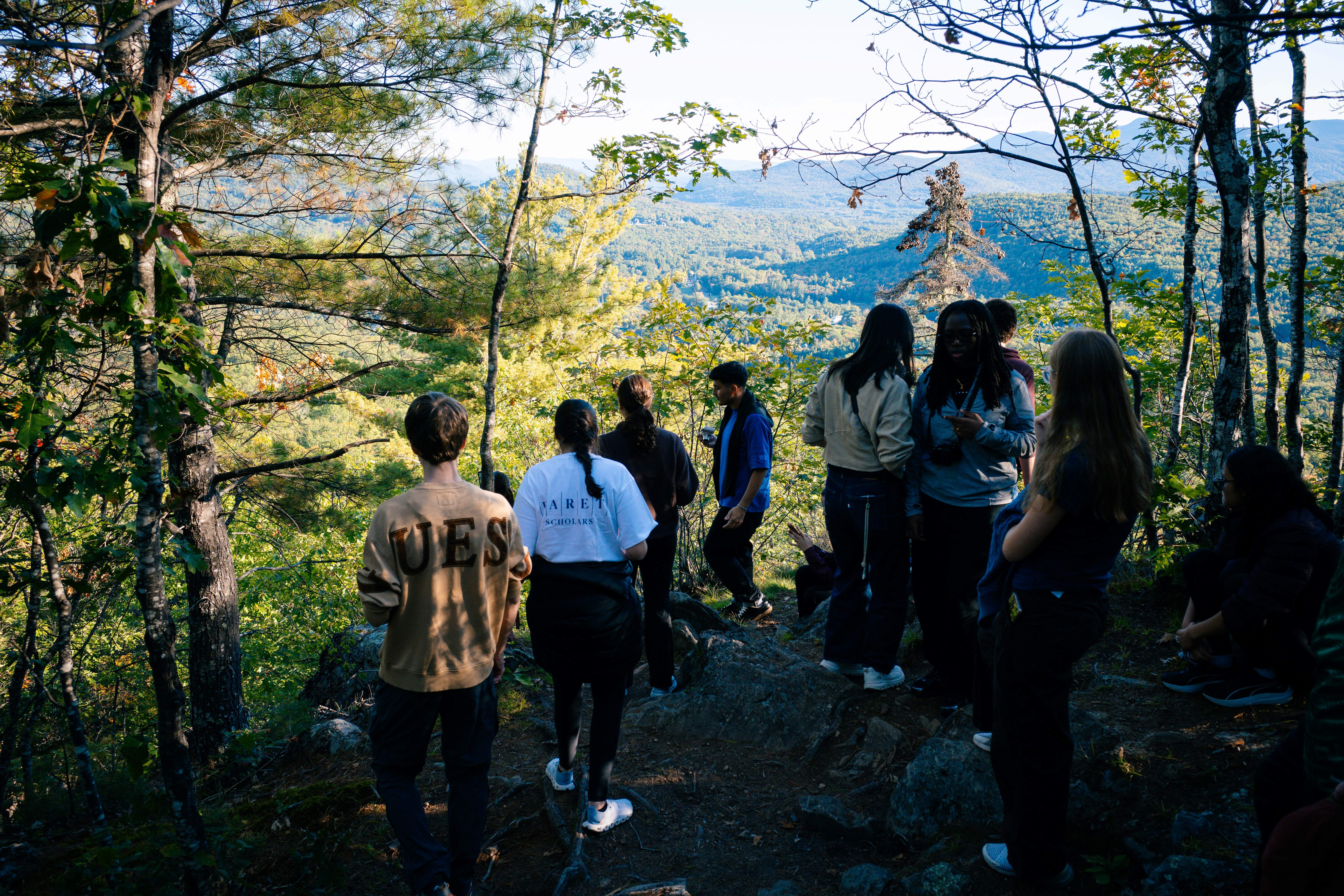
Our Scholars began their journey by taking a big bite out of the Big Apple!
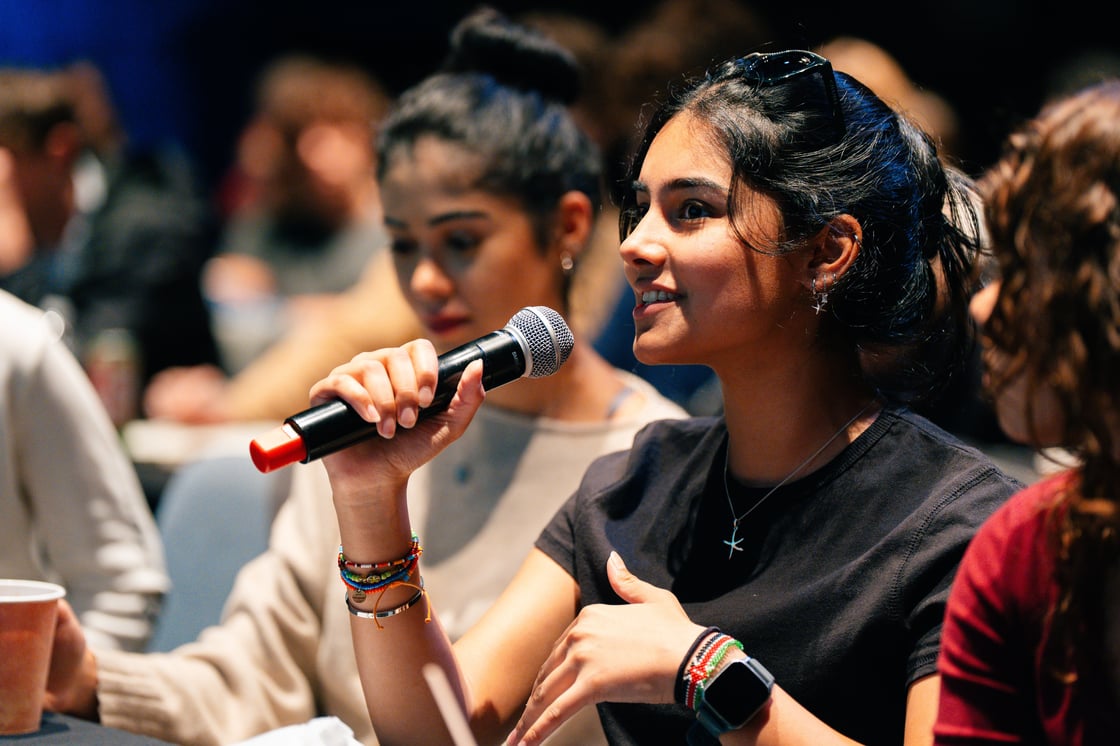
In this great megacity, known to one and all as the city that never sleeps, they were treated to talks from accomplished professionals from a variety of fields, as well as a plethora of excursions. In each case they asked insightful questions, made startling connections, and came away with a deepened understanding of our ever-changing world. Below is a list of the speakers they heard and interacted with at the Morning Program.
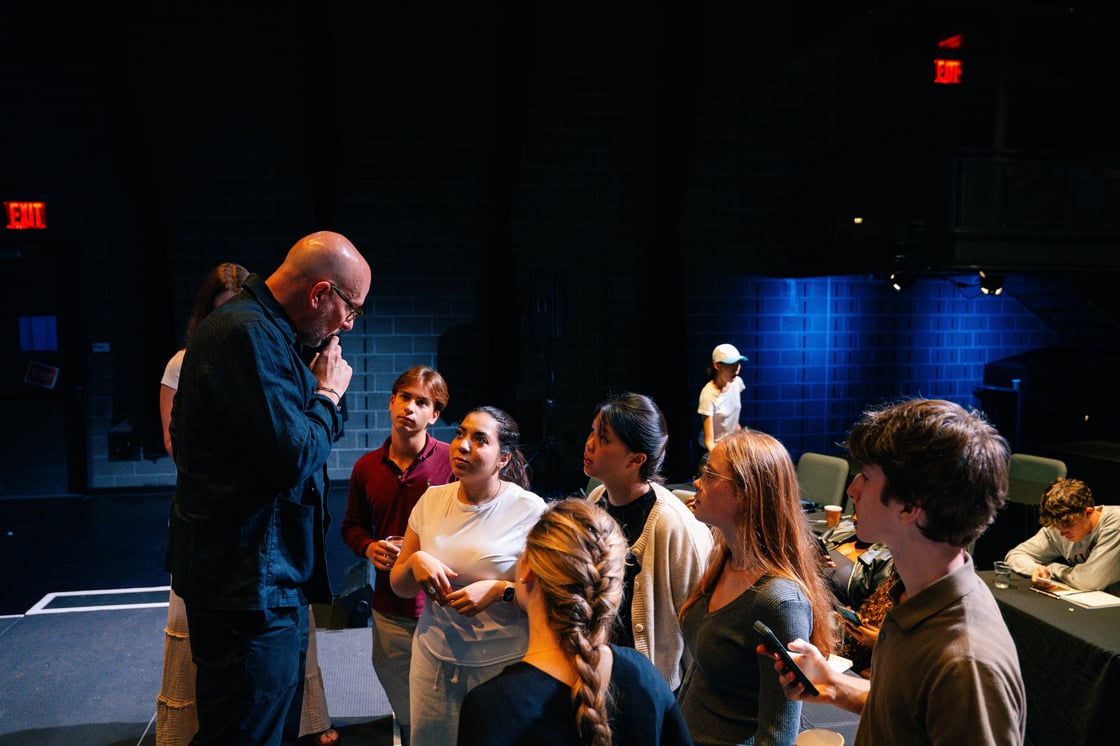
MORNING PROGRAM
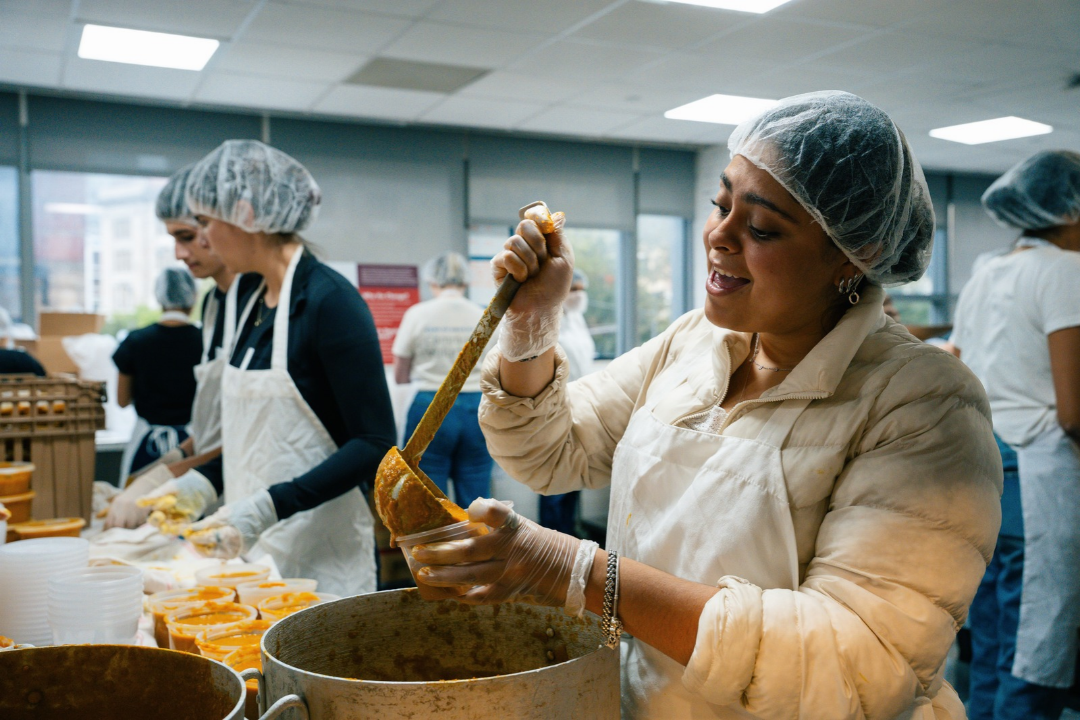
SITE VISITS & AFTERNOON PROGRAM
In New York City, our Scholars made various other excursions throughout the five boroughs. Besides trips to the Statue of Liberty, ferry rides to Staten Island and Governor's island, there were a number of curated adventures and educational expeditions specially tailored to our Scholars' interests.
FELLOWSHIPS
Our Fellowships took our Scholars all over North America, from the ancient ruins of Mayan Temples to the bustle of one of the great Jazz cities, as well as the heart of American politcs.
Each Fellowship is a deep dive into a discipline and competency, a lens onto a way of living or a possible career. No program offers as many options or chances to experience new paths as Baret. It's what makes our program so special.
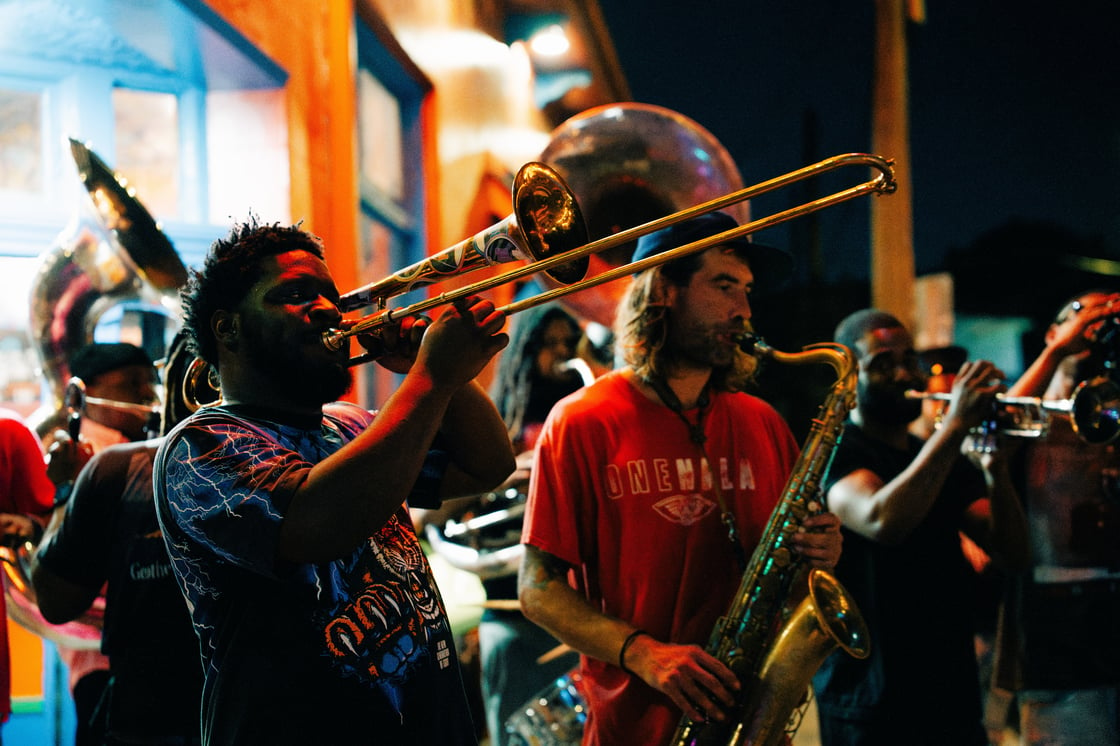
New Orleans is a place of rare sensory and narrative depth—a distinct cultural landscape where centuries of French, Spanish, African, and Creole threads have woven together to create a world unto itself. Here, music spills onto street corners, culinary traditions trace complex histories of migration and resilience, and historic quarters serve as living dynamic spaces where heritage is actively performed in everyday life rather than stored away behind museum glass.
Throughout this Fellowship, students moved through the city with the deliberate lens of a documentary storyteller rather than a passing spectator. Navigating historic neighborhoods, local museums, community spaces, and live music venues, students refined their capacity to observe closely, conduct thoughtful interviews, and translate authentic local stories onto film. Beyond the urban core, the route ventured into the surrounding wetlands and bayous of southern Louisiana, examining how geography and vulnerable ecosystems have fundamentally dictated the region's history, economy, and adaptive ways of living.
Mexico City: Navel of the Moon
Mexico City is one of the world's great cultural capitals—a sprawling, vibrant metropolis where ancient civilizations, complex colonial history, and modern urban life seamlessly exist side by side. Home to a dynamic population, the city is shaped by continuous reinvention, where every neighborhood, public square, architectural layer, and historic landmark reveals another chapter in the rich, evolving narrative of Mexico.
Throughout the Fellowship, students experienced this extraordinary urban landscape through a variety of distinct lenses. They stood among the monumental pyramids of Teotihuacan, navigated the historic ancientcanals of Xochimilco, wandered through the colorful, historic streets of Coyoacán, and explored world-renowned museums and regional cultural institutions. Along the route, students encountered the deep legacy of the Aztec Empire, the historical marks of Spanish colonialism, the brilliant creativity of Mexico's modern artistic movements, and the unyielding energy of one of the planet's most dynamic modern cities. Rather than analyzing history as a series of isolated events, students discovered how centuries of heritage actively shape daily routines, public spaces, and contemporary identity.
Williamsburg & Washington D.C.: We the People
This Fellowship followed the evolution of the United States from its colonial origins to the institutions that continue to shape the nation today. Beginning in Colonial Williamsburg, students stepped into an eighteenth-century town where revolutionary ideas were debated in public squares, government buildings, and everyday conversations. The journey continued through Jamestown—the first permanent English settlement in North America—and Monticello, where Thomas Jefferson's vision of democracy is explored alongside theenduring contradictions of freedom, equality, and slavery. Through living history, historic sites, and immersive experiences, students discovered that the American story is one of both remarkable ideals and ongoing complexity.
The Fellowship then moved to Washington, D.C., where those founding ideas take institutional form. Visits to the U.S. Capitol, the Library of Congress, Georgetown University, and the National Archives invited students to examine how the principles debated in colonial Virginia continue to influence governance, education, diplomacy, and civic life today.
Austin: The Next Frontier
Austin stands as one of the most dynamic innovation hubs in the United States, seamlessly blending high-tech ambition with deep Texan heritage and creative culture. Known as "Silicon Hills," the city has drawn global technology giants and venture capital while maintaining its proud local identity as the live music capital of the world. Throughout this Fellowship, students stepped beyond traditional classrooms to experience an ecosystem where technology, culture, and entrepreneurship intersect.
Our Scholars explored Austin through university campuses, innovation spaces, businesses, and conversations with professionals across different fields. The experience emphasized learning directly from people who are building organizations, launching ideas, conducting research, and creating impact within their communities.
Guatemala: Threads of Time
Guatemala presents a profound study in how ancient heritage, ecological reality, and social innovation dynamically coexist. From the cobblestone avenues of colonial Antigua to the volcanic terrain of Pacaya and the indigenous Maya settlements bordering Lake Atitlán, this Fellowship traversed a nation where centuries-old traditions are not merely preserved, but actively adapted to meet contemporary challenges.
The journey opened in Antigua, a UNESCO World Heritage site whose historic architecture and public plazas set the stage for understanding the region's complex cultural lineage. Grounding this historical overview in real-world practice, Scholars engaged directly with local community enterprises—examining sustainable agricultural models at the De La Gente coffee cooperative, analyzing social entrepreneurship at EcoFiltro's clean water initiative, and participating in a traditional culinary workshop that honors Indigenous gastronomy. Moving beyond urban spaces, the route expanded into Guatemala’s dramatic physical geography. Trekking the active slopes of Pacaya Volcano and navigating Lake Atitlán by boat, students examined how altitude, volcanic soils, and topography have dictated settlement patterns, agricultural livelihoods, and cultural identity for generations.


NEW YORK
SAO PAULO
PARIS
ISTANBUL
NAIROBI
DELHI
BEIJING


