

November 10, 2025
By Kaia Nozoe
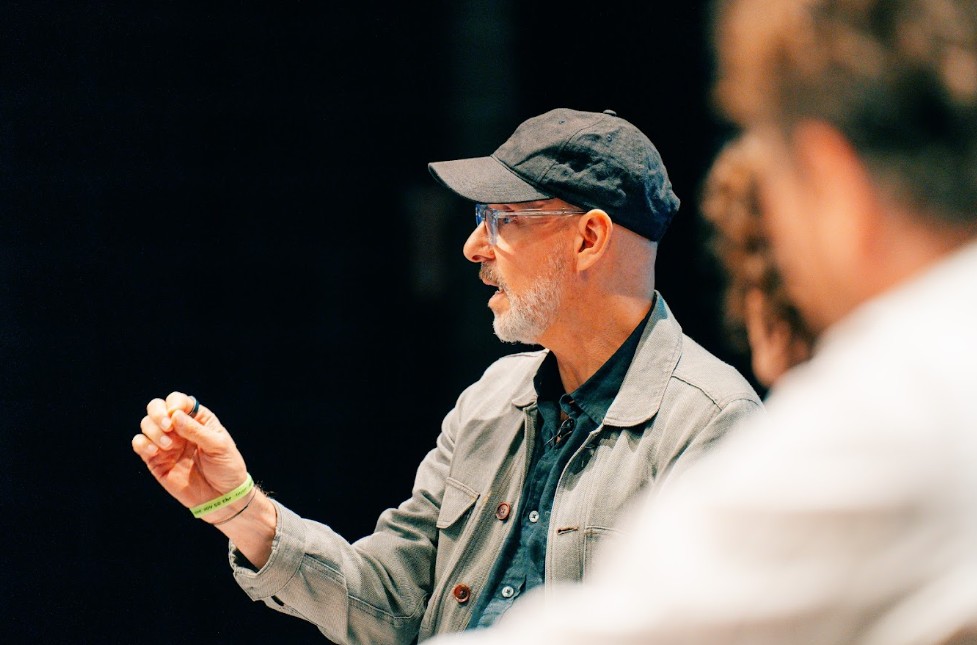
As the lights dimmed and the room fell quiet, an image flickered onto the screen of a child’s bedroom. Posters on the wall, stuffed animals lined neatly on the bed, a few selfies tacked to a bulletin board. In that instant, you could feel the weight of what we were about to see. This was a special preview of Joshua Seftel’s newest documentary, “All the Empty Rooms”, a film almost no one else had seen yet. The film focuses on the bedrooms of children who have been killed in school shootings, spaces that their families have carefully preserved just as they were before their deaths. Each room, filled with toys, posters, clothes, and personal belongings, becomes a quiet memorial and holds the memory of who that child was. The documentary moves from room to room showing how families find comfort and connection in keeping these rooms unchanged, even as time passes. It’s not only about loss, but about love and how preserving these rooms can help the families cope with their unimaginable grief. Seftel created this documentary to give these families a voice and show viewers the real and lasting impact of gun violence. By focusing on these intimate spaces, the film turns statistics into human stories and helps us see the lives that were lost and the people who continue to live with this pain.
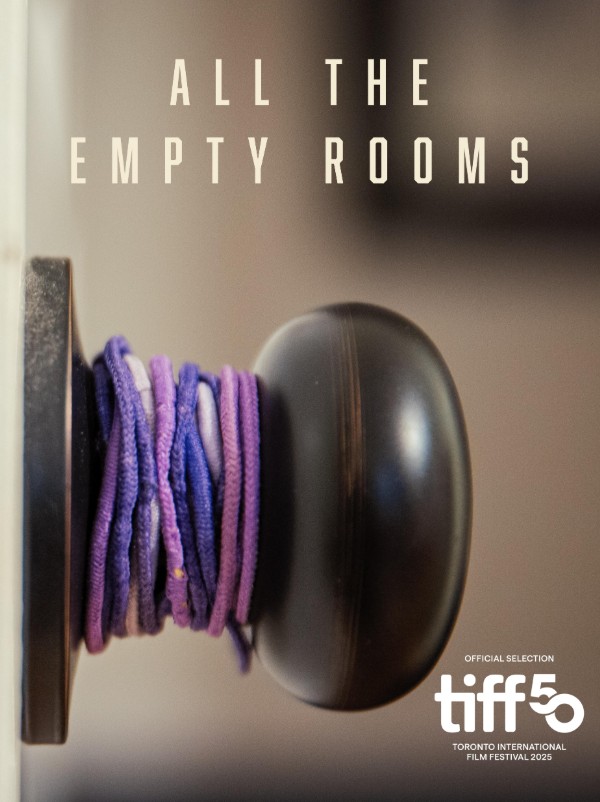
As an aspiring filmmaker, I found this work extraordinary. It felt deeply personal, and I could tell it hit everyone differently, yet somehow we were all connected by the same sense of sadness and hope. I was struck by how the stories of these families, told honestly, could move an entire room like that. It helped me realize that film isn’t only about the visuals or sound, it’s about emotion and helping people see what they might normally turn away from. The way the audience reacted, the tears and conversations afterward, and even the quiet moments of reflection, showed me the real impact a story can have when it is told with compassion and truth. I left feeling inspired, not just to make films, but to make ones that matter. Seeing how this documentary brought us together through shared emotion reminded me why I want to make movies in the first place, to help people see each other more clearly, and maybe, in some small way, to make the world a little more understanding.

NEW YORK
SAO PAULO
PARIS
ISTANBUL
NAIROBI
DELHI
BEIJING


